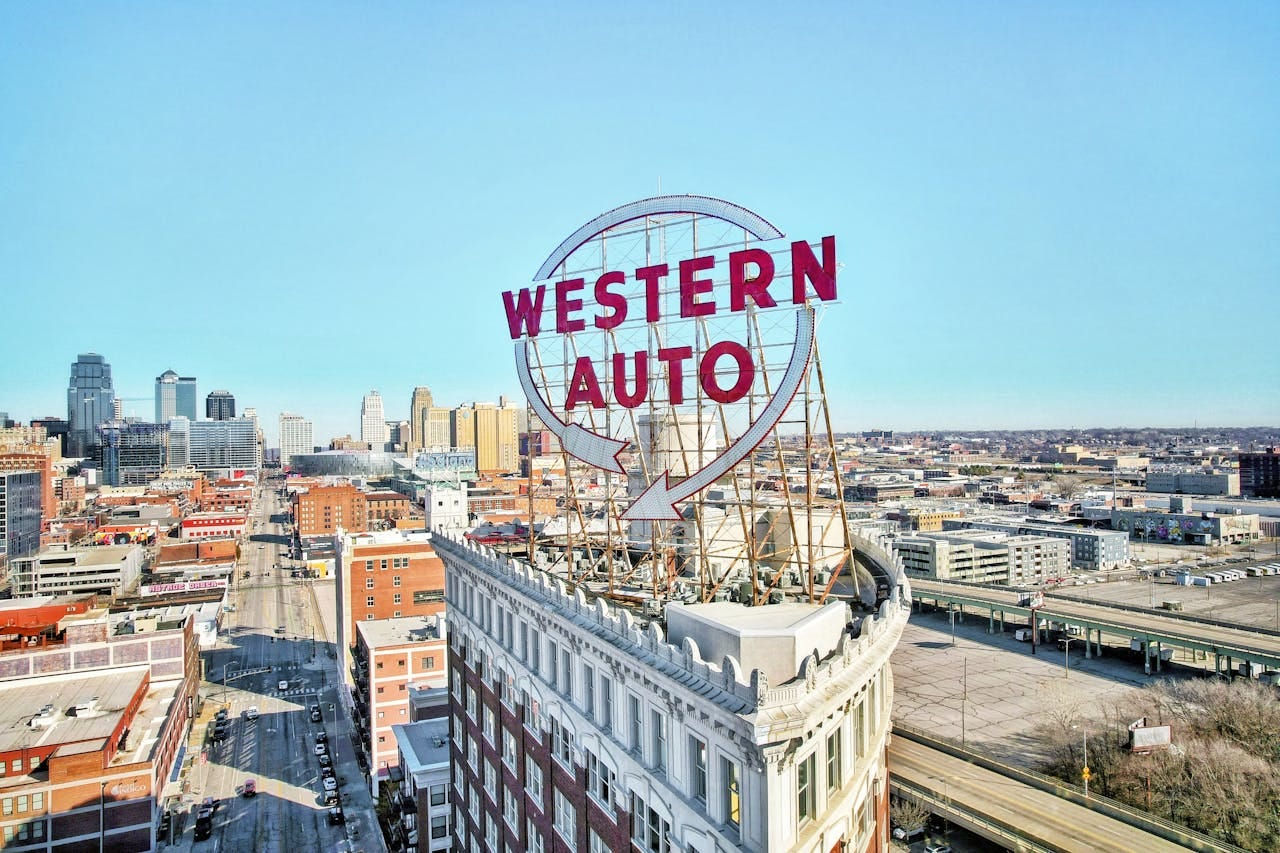
Walking through downtown Kansas City, you see the glowing Western Auto sign and the massive stone arches of Union Station. The city’s art deco style displays the boldness and confidence of its construction period. Yet, it feels like a memorial to Kansas City’s former grandeur. Near the buildings are still hollow gaps of parking lots and freeway loops.
But then again, modern touches attempt to recapture the present and future. It looks like it’s still being worked on.
To understand why, look at the man who poured the city’s foundation: Tom Pendergast.
The Double Engine
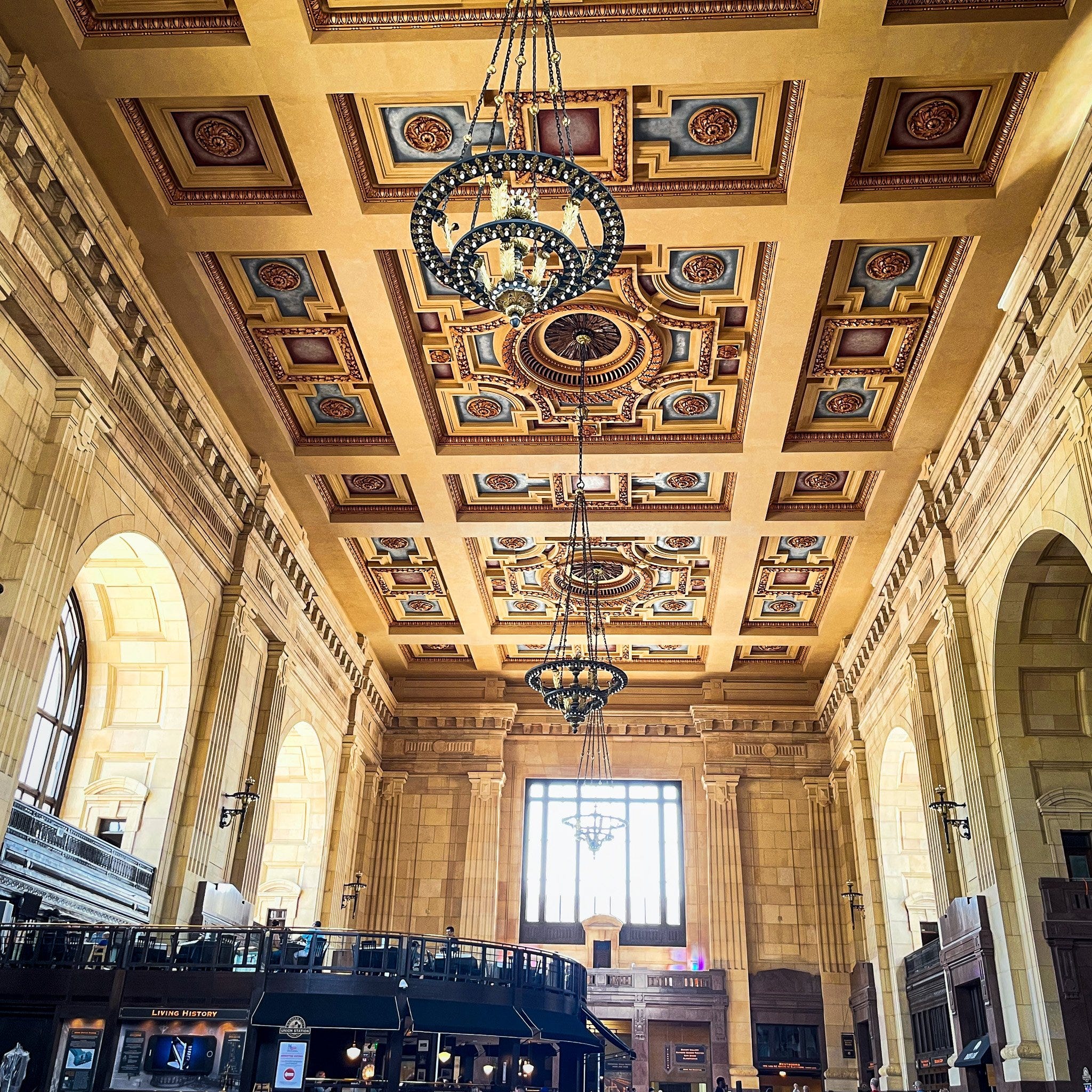
In the 1920s and 30s, Kansas City was the “Paris of the Plains.” Despite the Great Depression, its population and economy surged, fueled by two powerful forces. On the legitimate side, it was a global trade hub. The Arabia Steamboat Museum shows KC’s significance, keeping the artifacts from that era—a time when the Missouri River was key to American expansion. This trade moved to the rails, turning the city into a cattle choke point. Union Station was one of the largest rail hubs in the US and exudes that confidence. The famous Kansas City BBQ is an homage to the cattle wealth that helped build the city.
Amidst all this lived the political boss Pendergast, who controlled the city. He ignored Prohibition laws, and Kansas City became a magnet for jazz, gambling, and nightlife. The city was the Las Vegas of its day and generated great wealth. He ensured the city’s wealth was set in stone — his stone.
The Concrete Monopoly
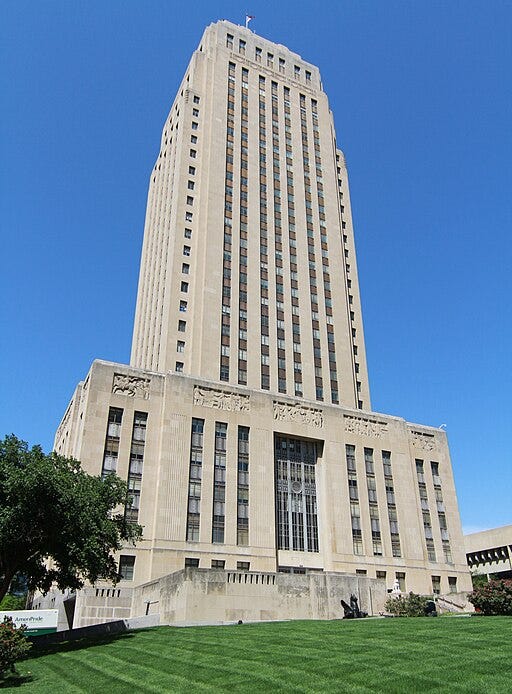
Pendergast owned the Ready-Mixed Concrete Company. The art deco architecture you witness today stands as a monument to his power. He obsessed over grand, modern style and pushed through a $50 million “Ten-Year Plan” to build the massive City Hall and the First National Bank Building (now a beautiful public library). These weren’t just buildings; they were a way for the Pendergast to tax every cubic yard of concrete poured. And because he made the concrete, buildings tended to overscale and use higher-quality materials than a Midwestern city may have warranted.
The Era of Disrepair
But the city became a victim of its own expansion. Post-WWII, urban planners carved a massive freeway loop through the heart of town, isolating downtown and mowing down historic buildings. Suburbanization emptied the city’s population while its physical footprint doubled. Beautiful structures fell into neglect; the Land Bank Building stood largely vacant and deteriorating—a piece of the city’s “distressed” portfolio waiting for a second chance.
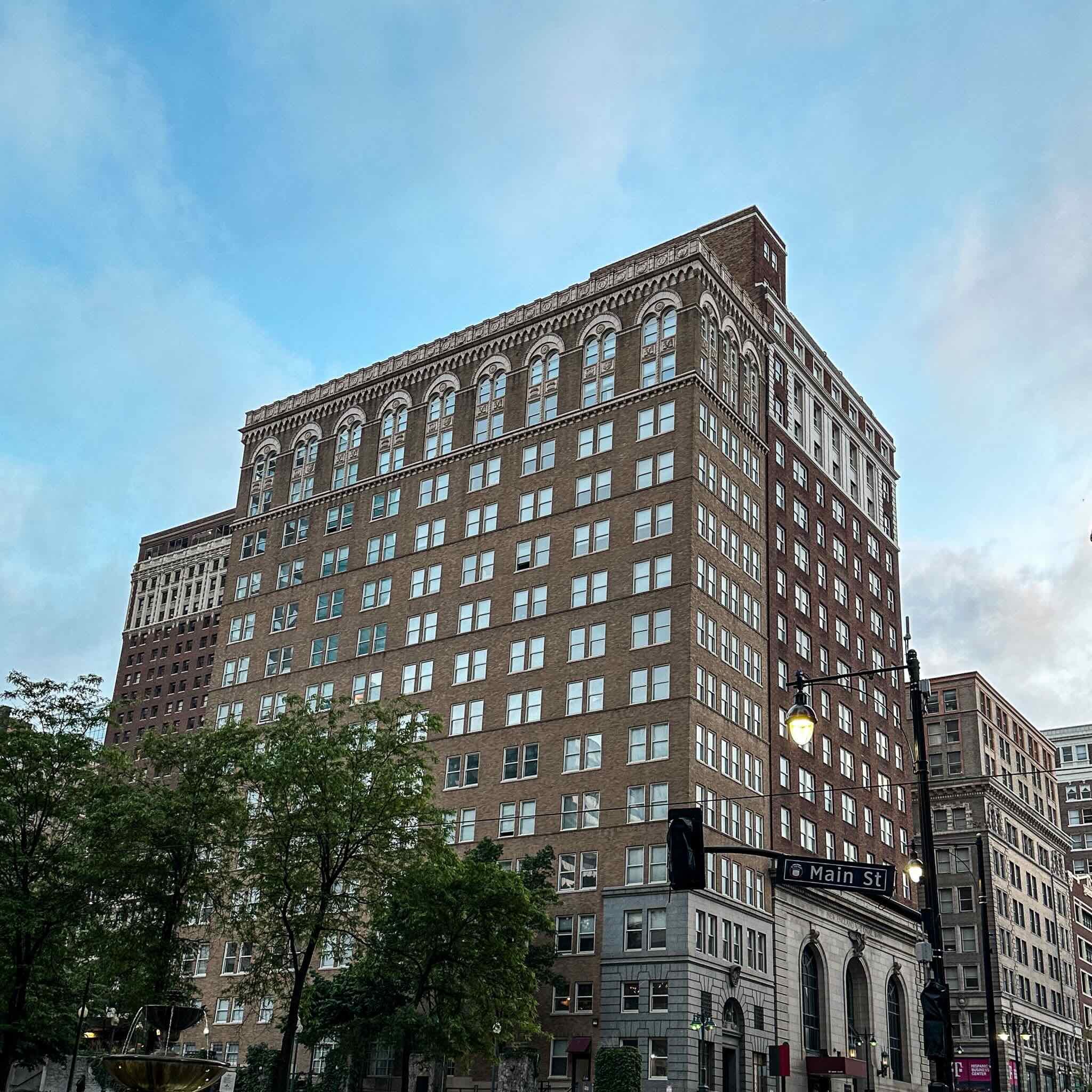
A Pull to the Present
The city, like many in the US and Europe, invests billions to fix mid-century damage. The Kansas City Power and Light District replaces empty blocks with nightlife, while the Crossroads Arts District converts old warehouses into galleries and boutiques.
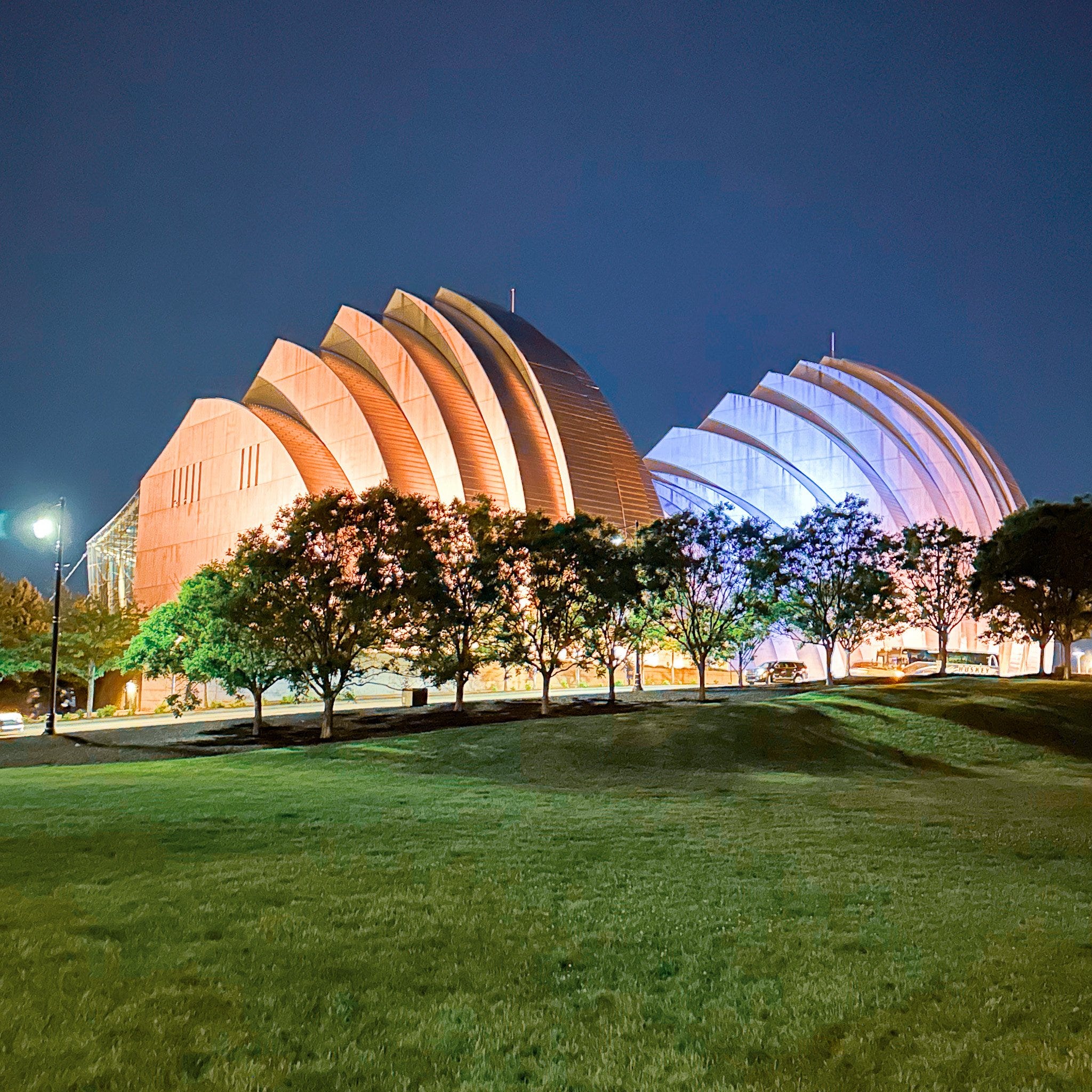
The Bartle Hall Pylons, with their futuristic sculptures, and the shimmering steel shells of the Kauffman Center for the Performing Arts signal the city’s reconnection with the present.