


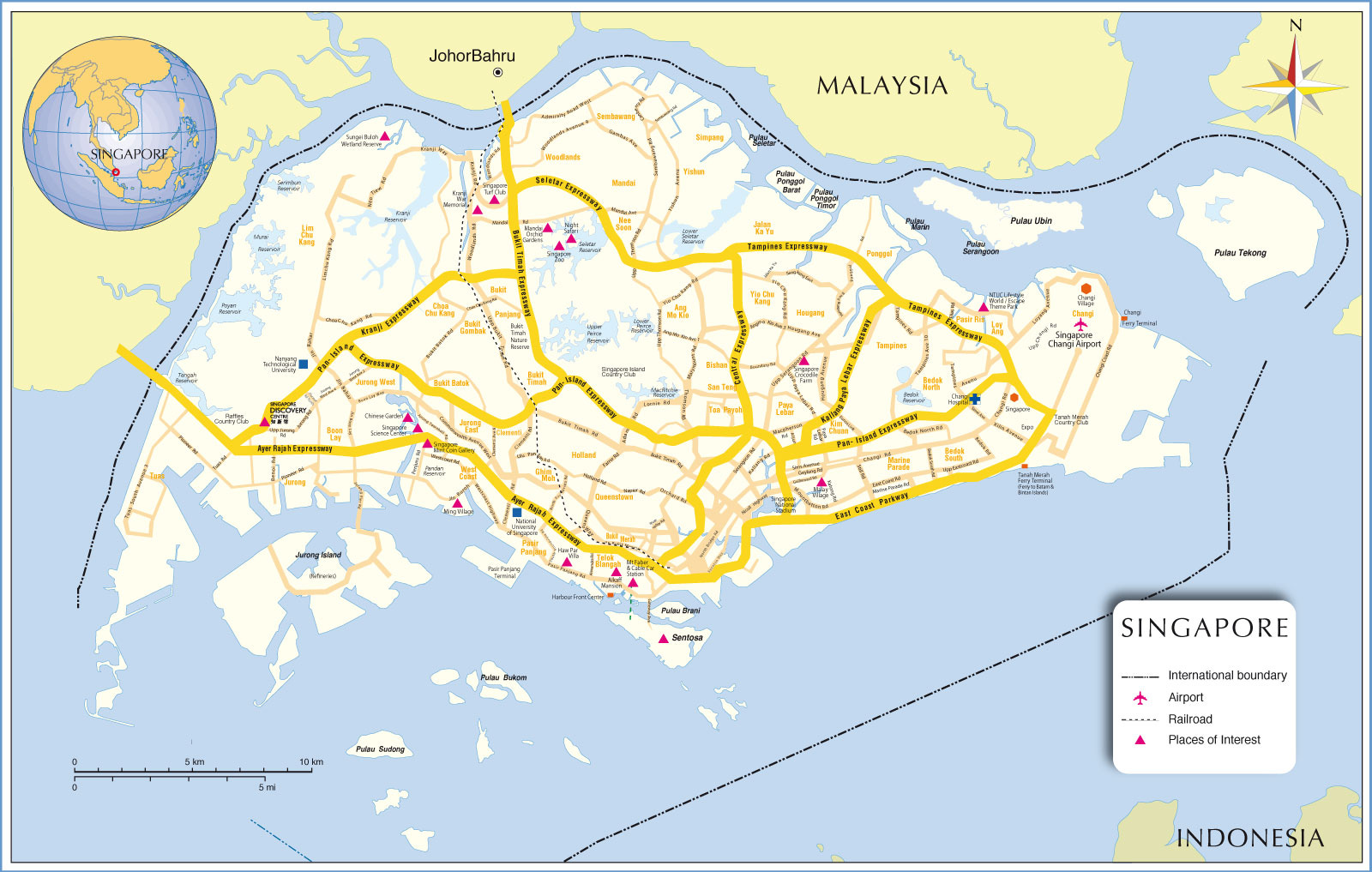
Scrolling through your social media feeds, you sense you’re about to lose it. Political polarization, homelessness, traffic gridlock, drugs, worn-out infrastructure. You feel like your country’s best days are behind you. As your stress builds, a well-dressed, debonair Asian man appears out of nowhere. He offers you a deal.
He promises you a life on a tropical island with no garbage, no crime, no homelessness, and no traffic. Beautiful, well-dressed people will surround you, and you’ll eat fabulous food every day. You will be wealthier than most people on Earth—GDP per capita here hovers around $90,000, dwarfing the neighbors. You will reside in a high-rise apartment in a city that is half the size of London but holds the wealth of an empire.
“What’s the catch?” you ask.
The man explains there’s no catch, just rules. To ensure harmony, you can debate politely, but you cannot criticize loudly. There are no polemics here—no Charlie Kirks, no Jon Stewarts. He will tell you where you can live to ensure the island meets racial quotas. If you perceive a social injustice, you cannot protest; at best, you may register to speak on a modest patch of grass in one specific park. But cross the line—peddle drugs or fire a gun—and you face the gallows.
“Oh, and don’t eat smelly fruit on the city trains,” he adds. “Otherwise, your life will be wonderful.”
You accept the deal. Welcome to Singapore.
Overview
Population (2025) - 6.1 million
Population Growth Rate (2024) - 2.0%
Size - 735.7 k2 (284.1 sq mi) - about half the size of London or a fifth the size of Rhode Island
GDP (nominal 2024) - $547.4 billion
GDP per capita nominal 2024 - $90,674.10
GDP per capita PPP - $150,689.30
Inflation rate (2024) - 2.4%
Biggest export - electrical and electronic equipment
Median age (2025) - 43.2 years
Life expectancy (female/male) - 89.5/84
Murder rate (2020) - 0/100K
Founded - 1965
Ethnicity - 74.3% Chinese, 13.5% Malays, 9% Indians, 3.2% others
Religion - 31.1% Buddhist, 20.0% No Religion, 18.9% Christian, 15.6% Muslim, 8.8% Taoist, 5% Hindu, 0.6% other
Corruption Perceptions Index - Rank #3/180 (the third least corrupt country in the world)
Index of Economic Freedom - Rank #1/184 (the freest economy in the world)
The Shock of Order
I landed in Singapore to observe this bargain firsthand, flying in after 15 days in Bangladesh. The two countries share three traits: they are nations, they are humid, and humans live there. The similarities end there.
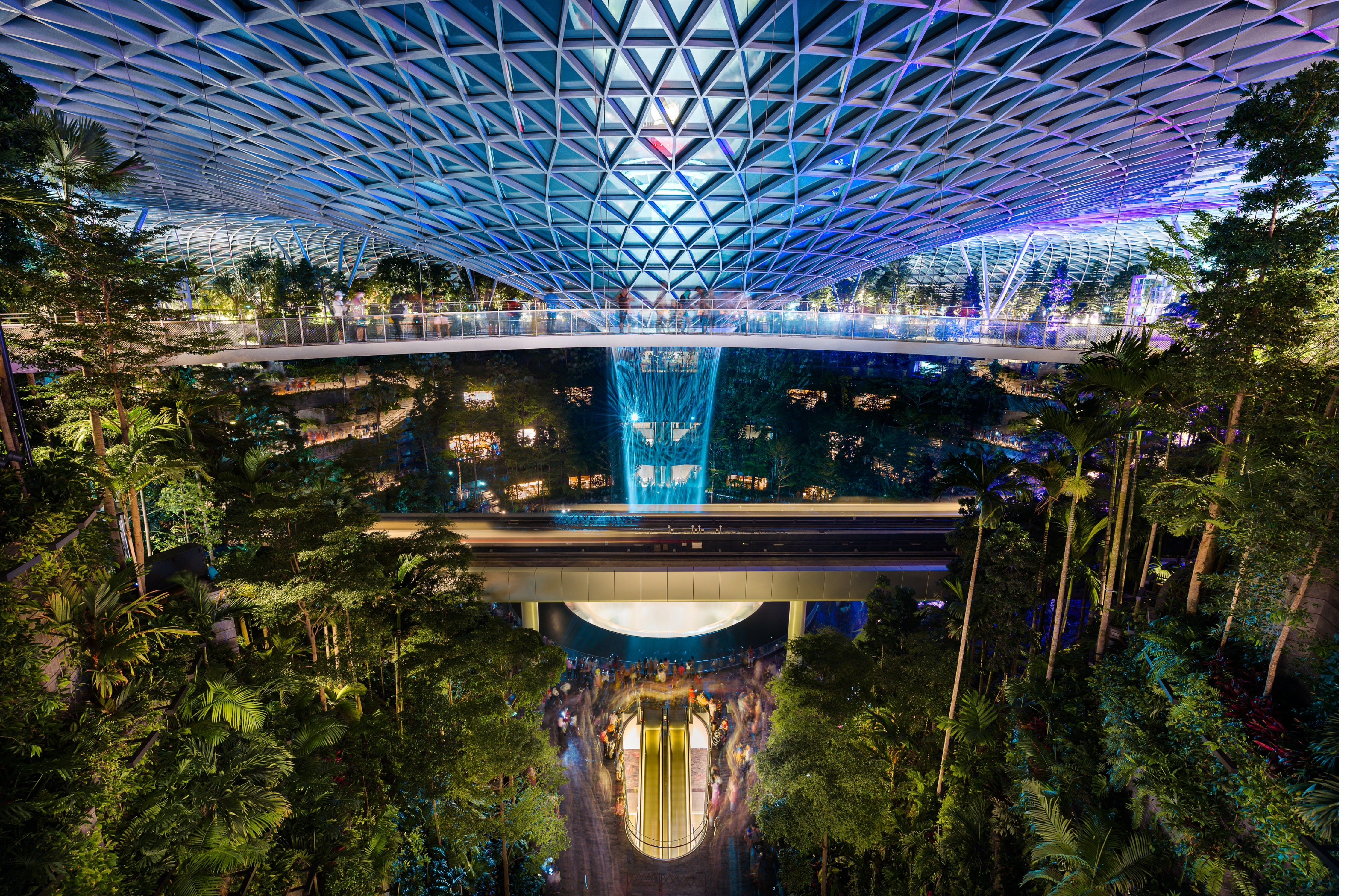
I traveled from the Dhaka Airport—where I paid an “assistant” 50 Taka to cut through crowds and negotiate a chaotic system—to Changi Airport, a facility with indoor gardens, a butterfly enclosure, and a 40-meter indoor waterfall. Robotic chairs navigated the terminal by themselves, and transport vehicles chirped a stern “Excuse me! Thank you!” to passersby. Immigration involved waving my passport at a turnstile; it felt less like a border crossing and more like entering a subway.
The public transport system feels like cheating to anyone used to American infrastructure. Between the Mass Rapid Transit (MRT) trains—clean, electric, frequent—and a bus system that fills every gap, you never need a car. You can cross the nation in under an hour. It is seamless, integrated, and cashless.
But the silence is deafening. Singapore is a “soft-authoritarian” state, run by the People’s Action Party (PAP) since 1959. They have delivered steady growth through a top-down approach that has been called “Disneyland with the death penalty.”
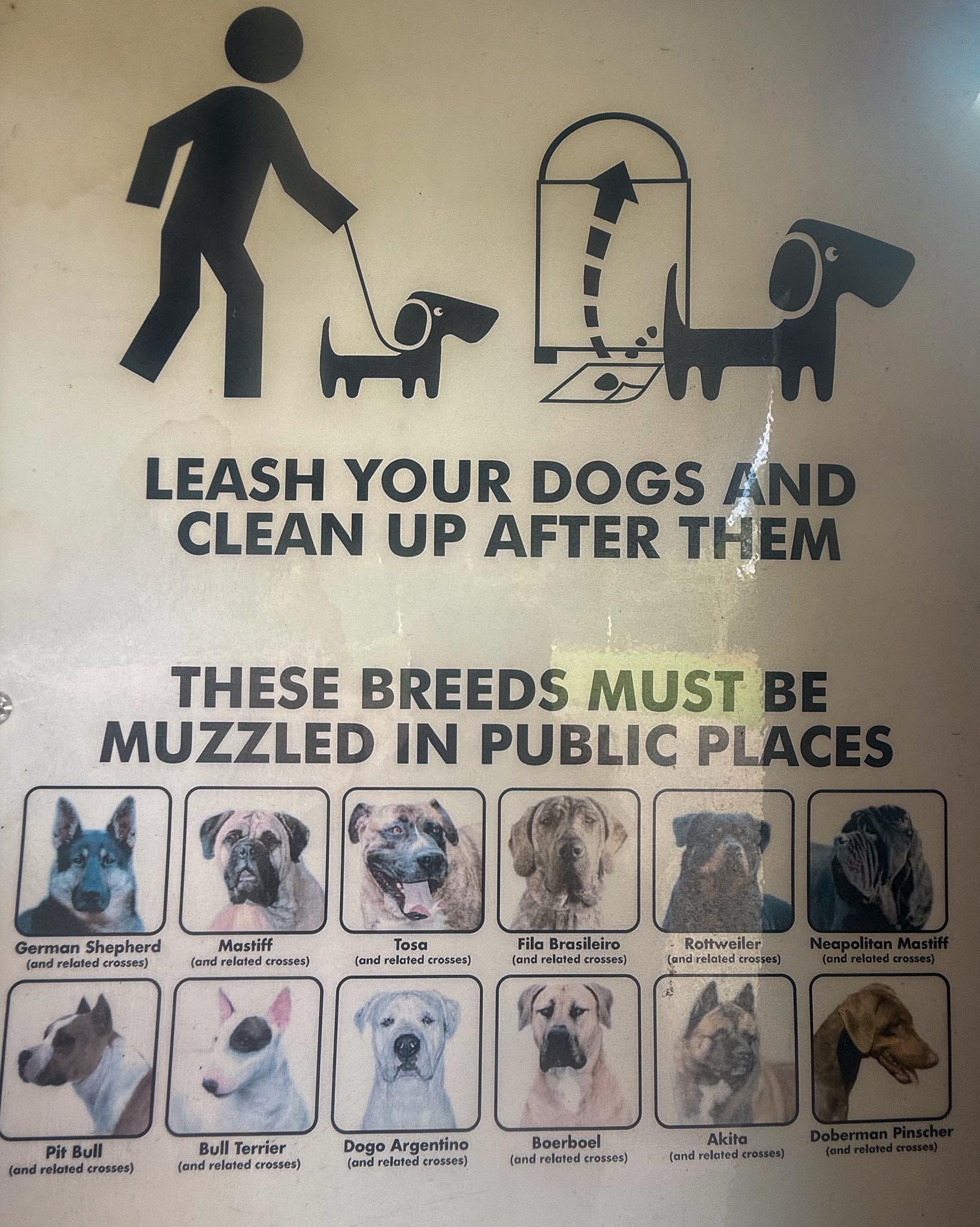
I didn’t notice people acting differently than they do in the US, but I noticed the signs. They are everywhere, oddly specific, and carry heavy price tags:
No littering: $300 fine.
No eating or drinking on trains: $500 fine.
No smoking: $1,000 fine.
No urinating: $5,000 fine.
Do not feed the monkeys: $10,000 fine.
Voyeurism: caning and up to two years in jail.
It is a city of “don’ts.” Yet, oddly, I barely noticed the enforcers. I saw no police. The closest I came to authority was an immigration officer standing bored near the turnstiles. Singaporeans have internalized the rules.
The Memory of Filth
Why do Singaporeans—who are rich, educated, and mobile—accept this? Why submit to the “Air-Conditioned Nation”?
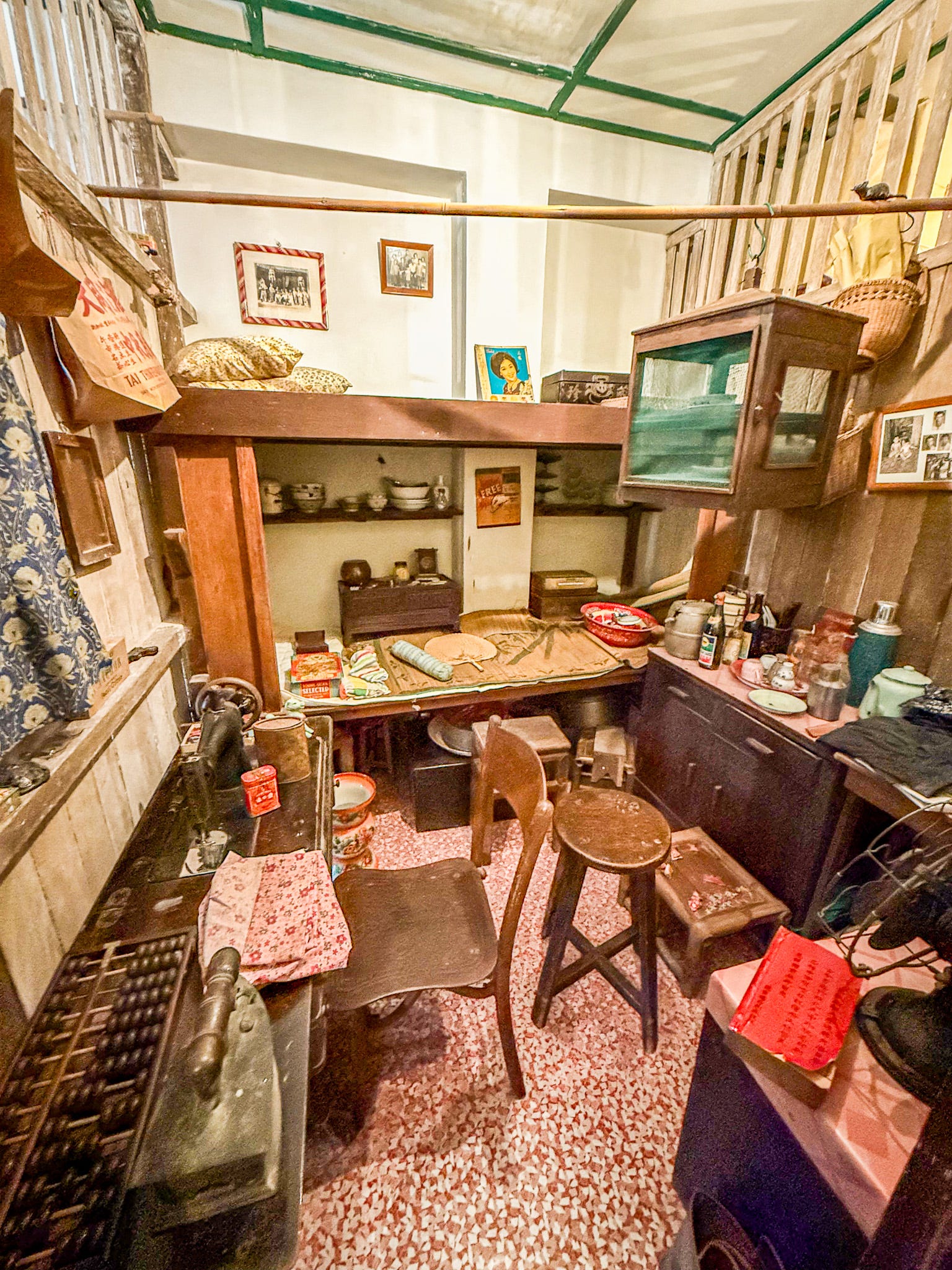
The answer lies at the Chinatown Heritage Museum. It is a historical recreation of Singapore’s past, and it explains the national obsession with order. It wasn’t always shining towers; it was once a place of cramped shop-house cubicles and coolie dorms. Families of ten packed into single rooms to sleep, study, and play. Prostitution was rampant, and “baby farms” raised girls for brothels.
Sanitation was a bucket under a hole in a bench. Every day, a man collected these waste buckets, carrying them through the crowded apartments. Disease was everywhere. Families or officials isolated the dying in “death houses” to expire alone, preventing disease spread or home curses.
When you see where they came from, the bargain makes sense. The government’s decision to demolish slums and rehouse residents in high-rise HDB flats was not merely urban planning; it was a moral mission. Singaporeans have an obsessive compulsion never to return to those days.
The Garden City
If you comply, you’ll get a city that feels both futuristic and joined to nature. Eighty percent of the population lives in government-built high-rises, yet the city is lush.
Seeking balance from the city, I hiked the MacRitchie Nature Trail. It’s a reminder: Singapore’s tropical jungle roots lie under the concrete. Clouded monitors dig in the leaf litter on the forest floor. I saw a Purple Heron, motionless like in a painting, and macaques grooming on rocks.
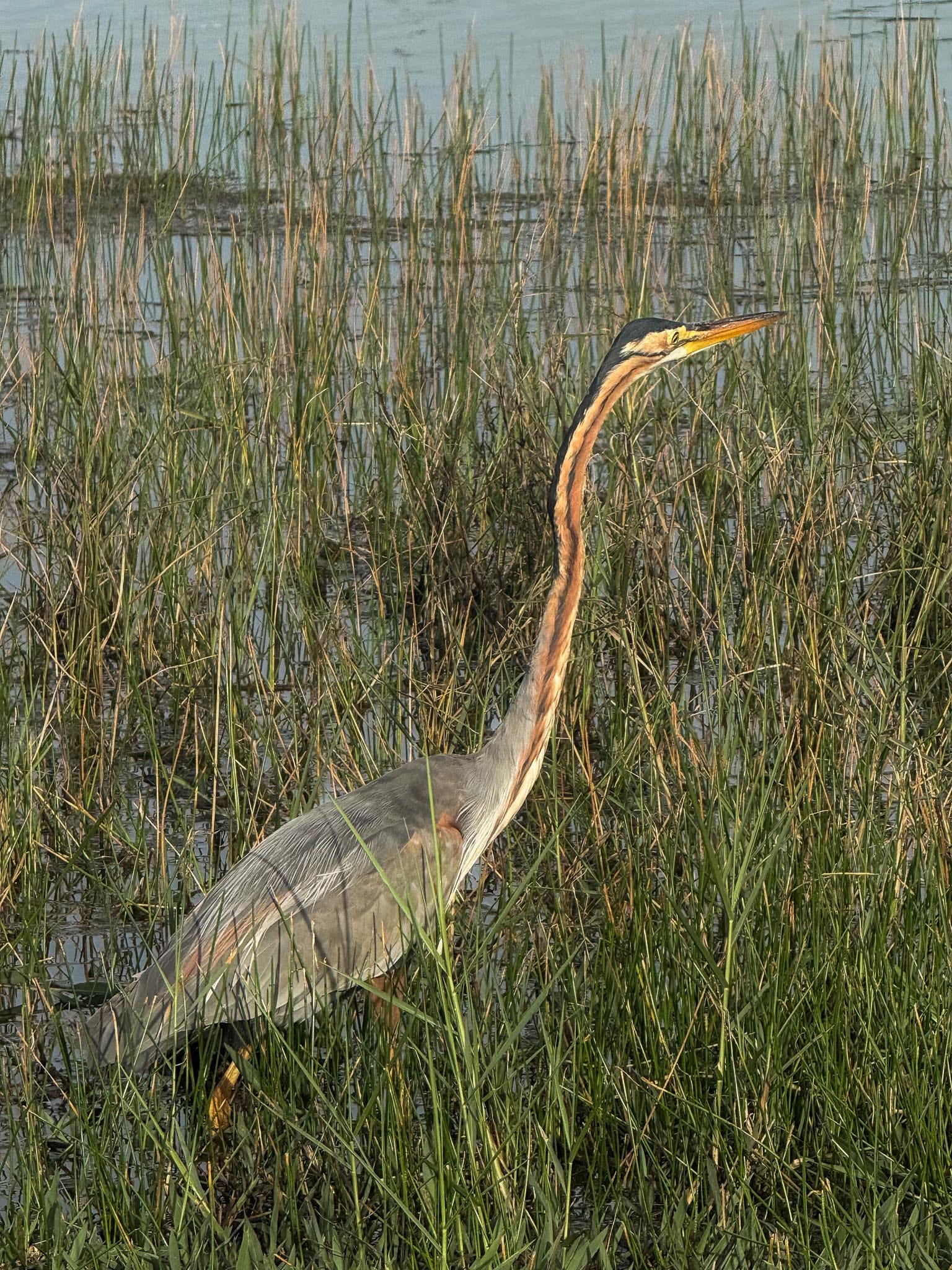
In the city center, the Botanic Gardens (a UNESCO World Heritage Site) and Gardens by the Bay offer a manicured version of this nature. I watched the light show at the “Supertrees”—massive vertical gardens that light up to Broadway tunes from the likes of Chicago and A Chorus Line. Spectacular and wholly artificial, it was like a futuristic Disneyland:
The Verdict
The food, perhaps, is the truest expression of the nation’s soul. In the hawker centers, class distinctions dissolve. At the Toa Payoh Lorong 8 Market, I sat outside in the humid night, drinking calamansi juice and eating Singapore Hokkien Mee. It was amazing, clean, and inexpensive. In Little India, I ate a tiffin platter at Madura’s that made me wonder why Indian food in America can’t be this good.
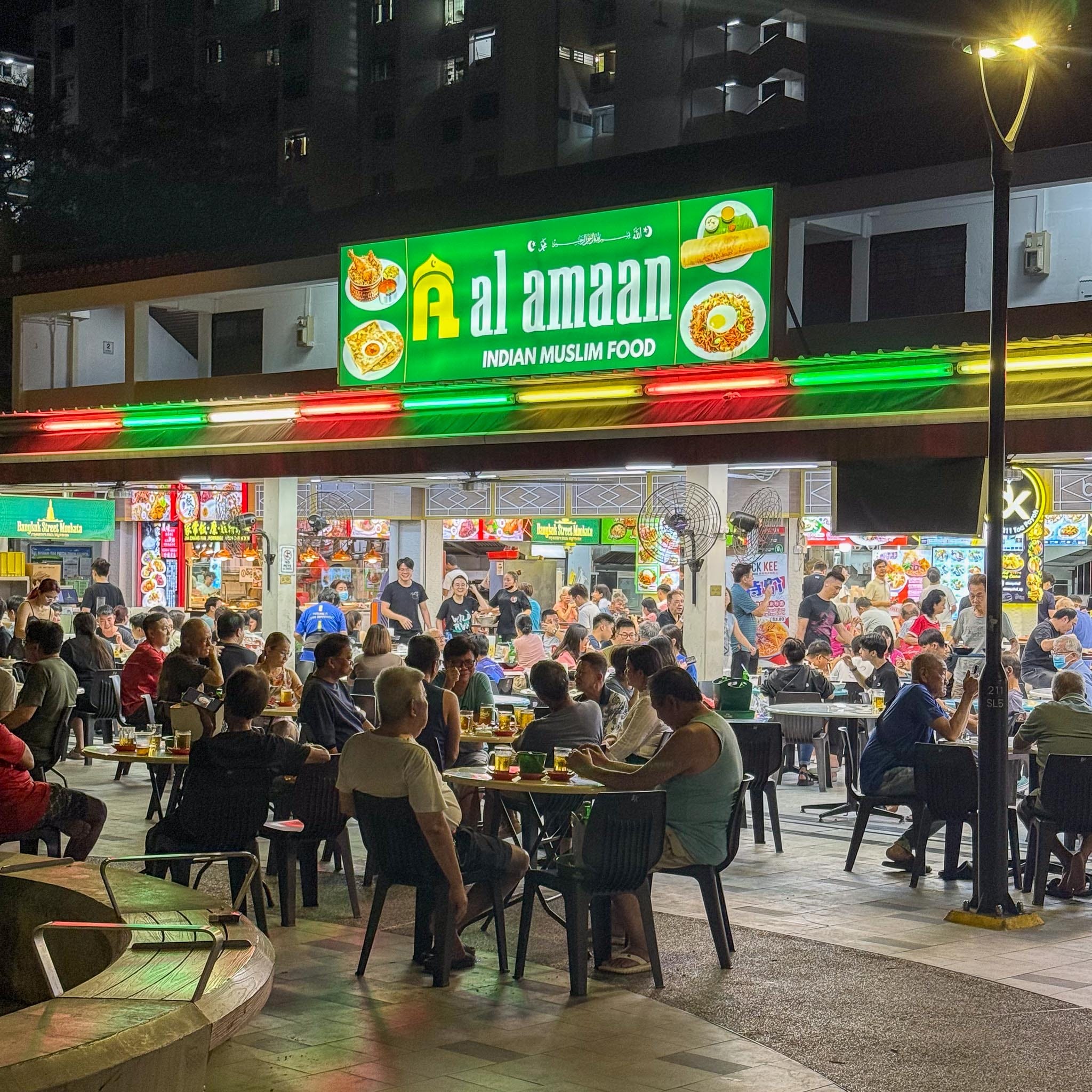
Singapore works. It is the freest economy in the world, the third least corrupt, and arguably the safest.
But as I left, I questioned whether I could live in Singapore.
My hesitation is the same problem Aristotle and Voltaire had with benevolent dictatorships. Absolute rule by the benevolent is great—as long as they remain benign. The system thrives under the PAP, but what happens if the successor is wicked? There are no checks, no balances, no loud political loudmouths to sound the alarm.
In Singapore, you have safety. You have wealth. You have a butterfly enclosure at your airport. However, you’re an associate within an efficient company, not a citizen inside an untidy democracy.
The man at the crossroads delivered on his promise. Life is wonderful, as long as you don’t eat smelly fruit on the train.
I fully agree with your description and your verdict, very much to the point !!
https://marginalrevolution.com/marginalrevolution/2026/02/why-is-singapore-no-longer-cool.html Americans used to talk about Singapore a lot, now it's not as much of an outlier and US attitudes have shifted.